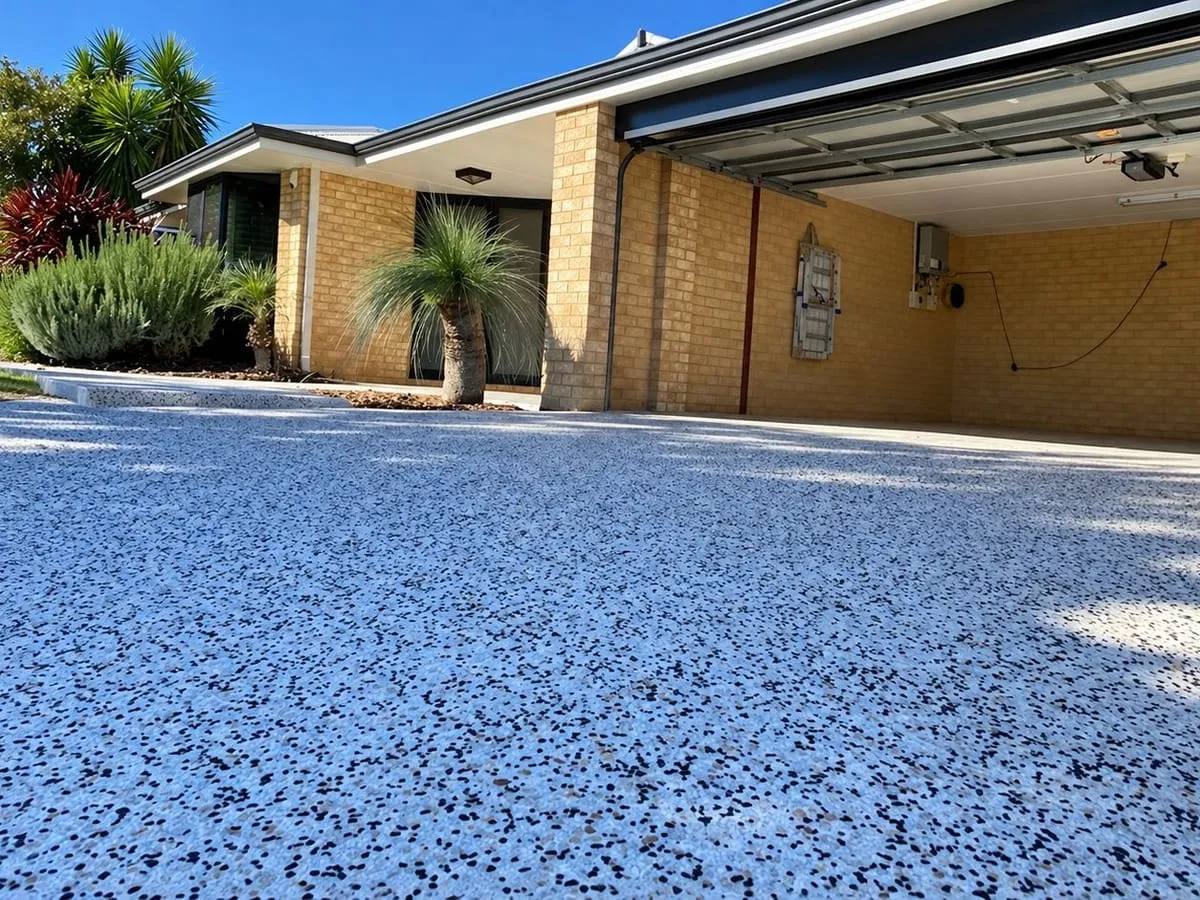
How Is Exposed Aggregate Laid?
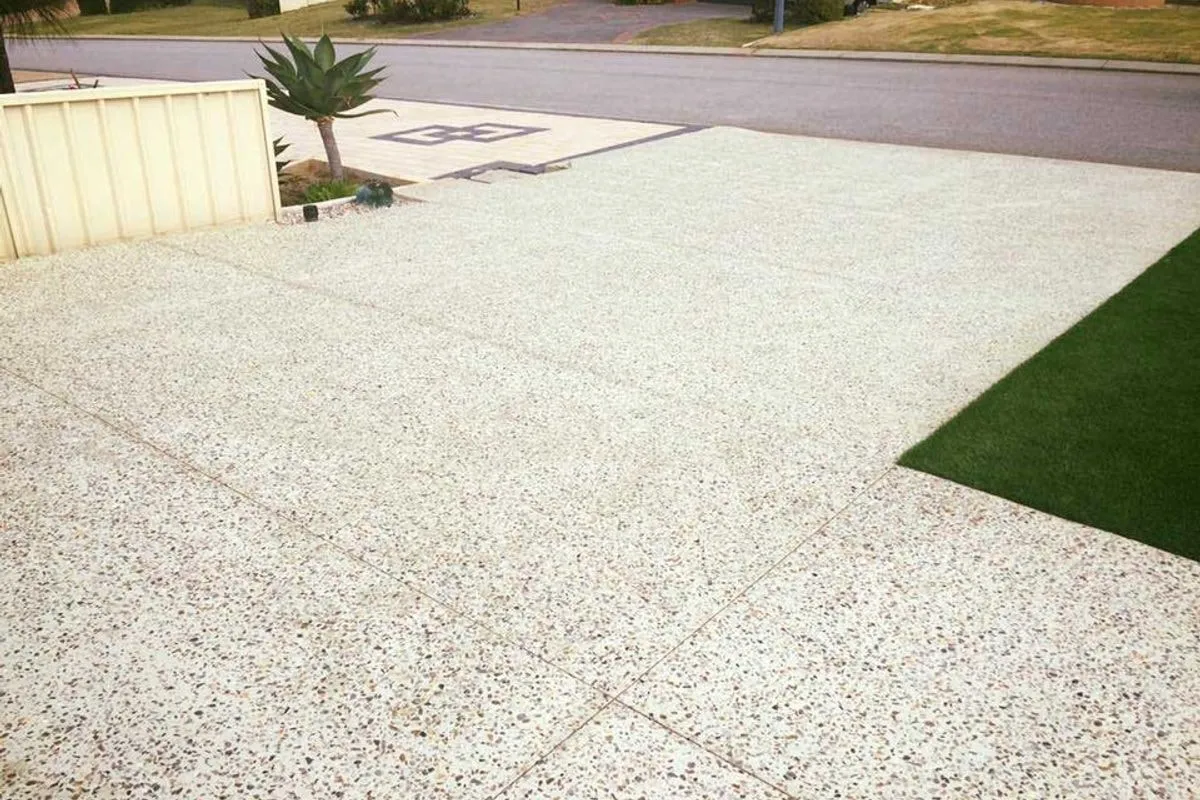
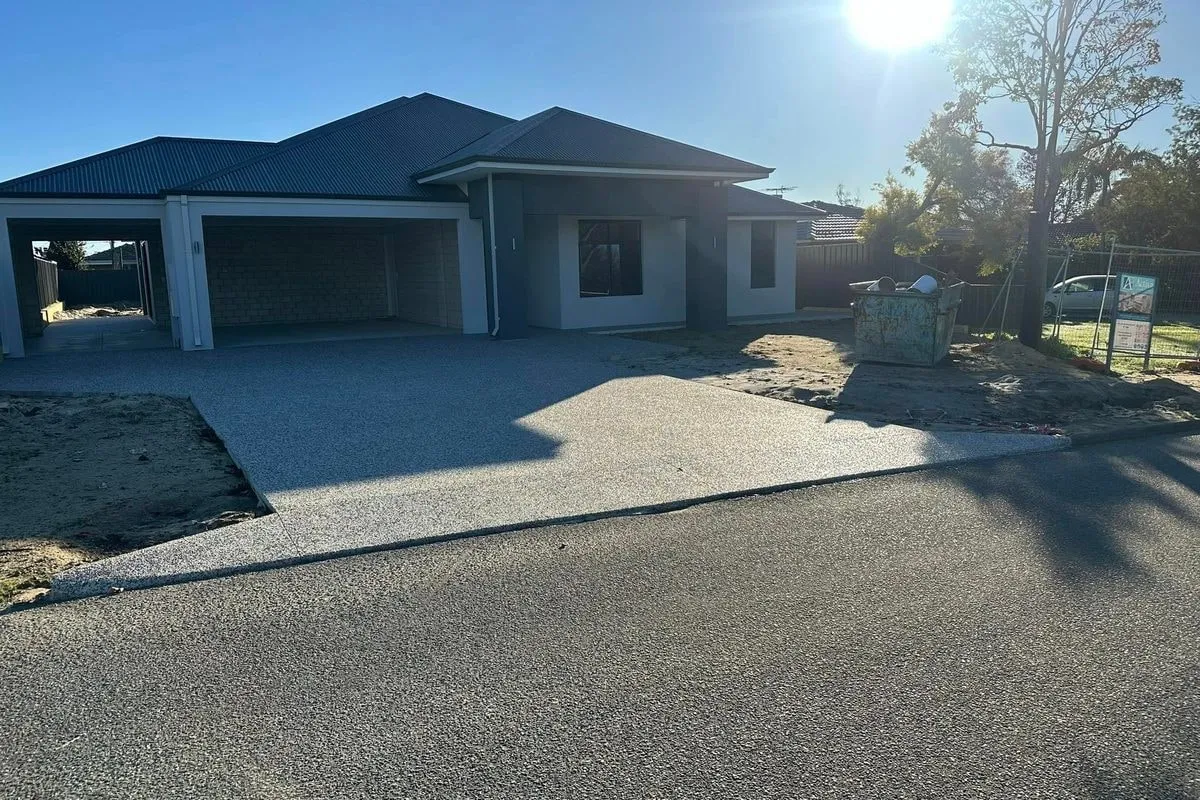
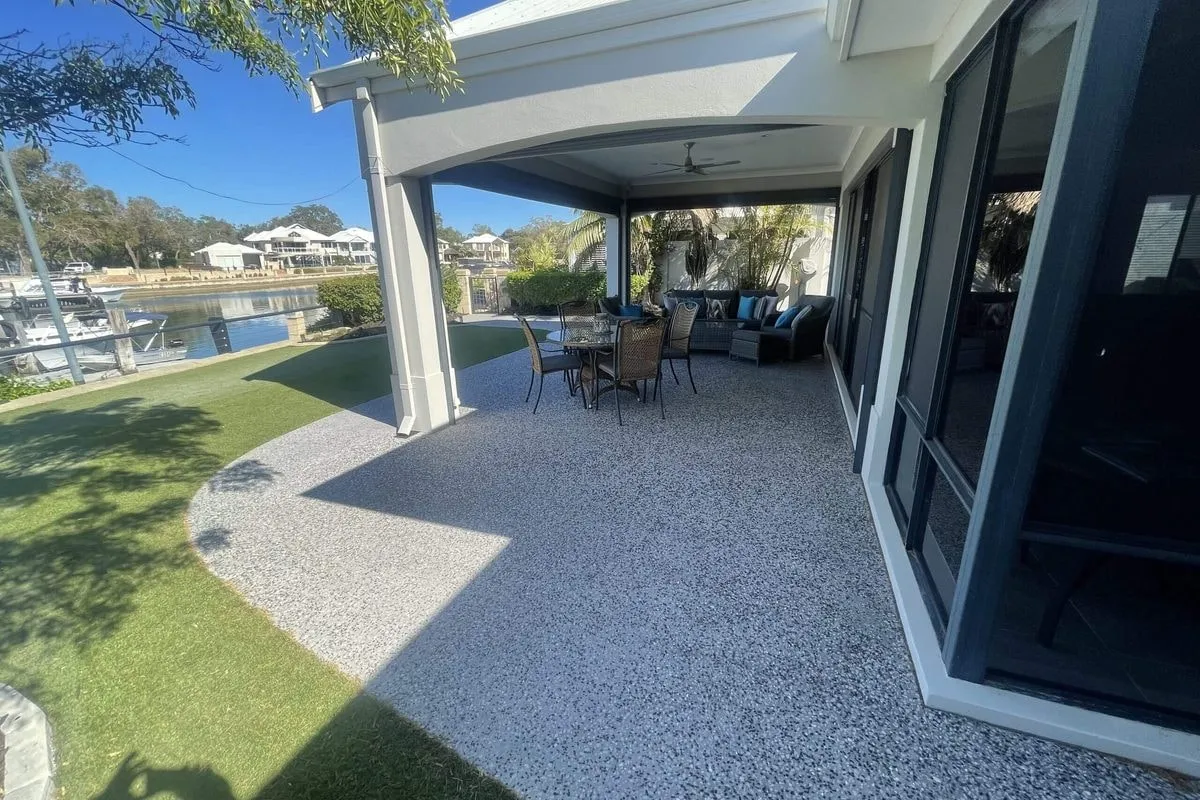
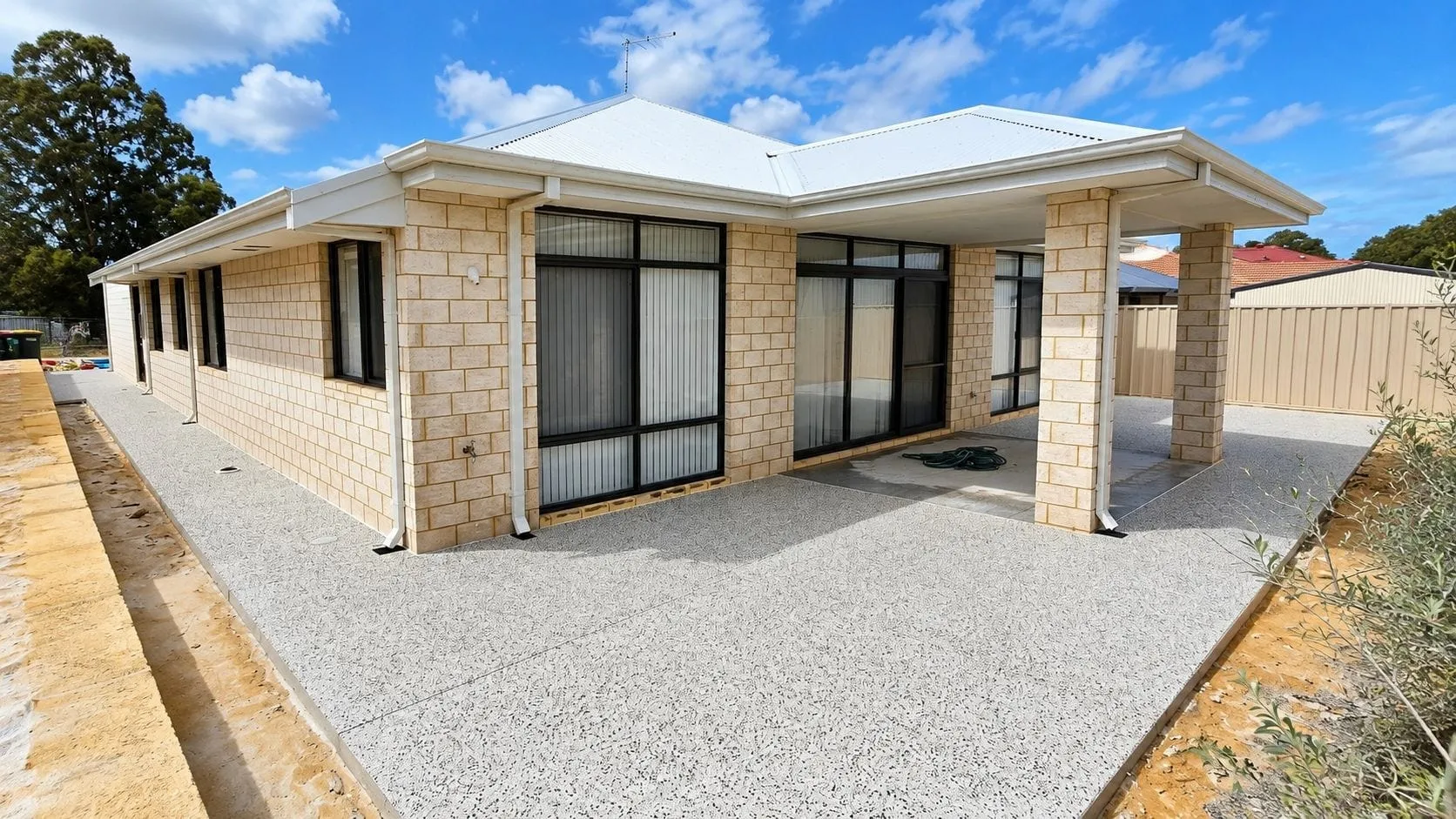
Exposed aggregate is a popular form of decorative paving made from a concrete base with an exposed top layer. Our exposed aggregate Perth services incorporate this form of concrete paving because of its versatility, beautiful surface that gives a rustic vibe to your outdoor space and its durability. Exposed aggregate is also relatively easier and cheaper to lay as compared to other forms of paving such as concrete slabs or asphalt.
To understand and appreciate the reasons why you would go for an exposed aggregate paving for your outdoor space, we need to take a look at the process followed in preparing an exposed aggregate finish. First, understand that exposed aggregate paving consists of a mixture of cement, sand, water, and desired aggregate such as stone or pebbles.
These three elements are usually mixed proportionately and laid depending on the needs of the client since there are different types of approaches when it comes to aggregate finishes. For instance, the aggregate finish can be laid as a topping once the cement and sand base has been laid. This is what is referred to as topping aggregate. Here are the other common types of exposed aggregate methods.
Standard Aggregate– Standard aggregate is the most common type of aggregate finish. It is also the easiest to prepare and lay as all the materials i.e., sand, cement, water, and the desired aggregate are mixed together and put at the same time. It might be easy, but you need a professional to measure and balance all the materials to achieve the right balance; otherwise, you might end up with an undesirable finish.
The Process of Preparing and Laying A Standard Aggregate Finish
Let’s assume you want an exposed aggregate finish consisting of sand, cement, and gravel.
Should you choose to go the standard aggregate finish, the materials will be mixed to achieve the desired ratio.
With that done, the whole mix will be poured evenly on the surface being worked on, such as a driveway or patio.
Once this is done, then the surface will be levelled using the normal methods or what some may refer to as pounding or striking off. This to achieve a uniform surface and getting rid of excess material and undesirable inclines.
The next step involves adding a magnesium float for, or what we call bull floating then the surface is once again flattened by had using trowels to get rid of any imperfections and exposed edges.
The laid concrete mix is allowed to set partially before a surface retarder is sprayed on. The purpose of exposed aggregate concrete retarder is to ensure the underlying concrete mix continues drying and hardening while the surface remains relatively wet and removable.
The final and perhaps the most important step is to hose off the surface to expose the internal aggregate mix, therefore, achieving an exposed aggregate surface.
Seeded Aggregate
Seeded aggregate is another popular way of preparing an exposed aggregate finish to your outdoor spaces. Seeded aggregate differs from the other methods by the steps followed to add the exposed aggregate finish. In seeded aggregate, the aggregate mix is poured on top of a wet cement and sand base. This might sound easy, but seeded aggregate finishes are the oldest and the hardest to lay as they require careful preparation and expertise otherwise you may end up with an uneven finish, the base aggregate popping out or wide gaps between the seeded surface.
Here are some of the things to consider when doing a seeded aggregate
- Harmonize the colors between the seeded aggregate and gaps
- Choose the aggregate to be used carefully. You may need an artistic eye to do this correctly.
- Matching the seeded aggregate with the surrounding such as walls and other features within your compound. For instance, you may choose to use black rock in the seeded aggregate to complement a white wall bordering the surface you are working on. Talking to an expert is always a good idea when choosing the colors and aggregate finish that matches or complements your surroundings.
- Texture and brightness- The type of aggregate chosen should match the kind of texture that fits the surface that is being worked on. For example, pool sides and patios may require a finer texture where people can walk on barefoot without discomfort.
Polished Aggregate – As the name suggests, this is a subtle aggregate finish where the surface is smoothened and polished using sanders and other equipment. This polished finish can be done for indoor spaces such as garage floors.
Exposed Aggregate – How Durable Is It?
Exposed aggregate is one of the most durable types of surfaces as compared to the other surfaces, this is why it may cost more. A well laid exposed aggregate finish can last for more than forty years without developing any visible cracks or needing major maintenance. Exposed aggregate is the preferred paving method for high traffic surfaces such as driveways, patios, and public squares all over the world. Some of the exposed aggregate finishes found on historical sites have lasted for decades with minimum maintenance.
What Aggregate Types Are Available?
There are a number of aggregate types you can choose from that are available that can fit your budget and aesthetic requirements. These are materials extracted from quarries, riverbeds and sea beds, construction sites, among others. Here are the main common types of aggregate available for your driveways, walkways, footpaths & more:
- Granite Aggregate – This is the most common type of aggregate that also come in various colors such as grey and red.
- Gravel/ballast aggregate– Gravel or ballast extracted from natural rock found in river beds, sea beds and mined from quarries. Gravel aggregate is another popular choice for modern exposed aggregate finishes.
In Conclusion
Exposed aggregate has many advantages over other forms of paving out there. It’s a beautiful way to finish off your surfaces and durable as well. Talk to an expert at Absolute Scapes for all your exposed aggregate projects today.
Contact us today
Chat to our friendly team today and get a free quote
Let's get your quote sorted